The Outlet Newsletter
The Outlet is Stormwater Victoria's bi-monthly newsletter.
To join our mailing list, email This email address is being protected from spambots. You need JavaScript enabled to view it.
If you are interested in contributing an article, promote an upcoming industry event or provide a news item, please send an email to The Editor, The Outlet via email to: This email address is being protected from spambots. You need JavaScript enabled to view it.
Click the links below for past issues.
- December 2025
- October 2025
- August 2025
- June 2025
- April 2025
- February 2025
- November 2024
- September 2024
- June 2024
- April 2024
- February 2024
- October 2023
- August 2023
- May 2023
- March 2023
- December 2022
- September 2022
- August 2022
- June 2022
- April 2022
- February 2022
- October 2021
- August 2021
- June 2021
- April 2021
- February 2021
- December 2020
- October 2020
- August 2020
- June 2020
Event Archive
Below is a list of Events we have had in the past...
Statistics
2026 Awards for Excellence

2026 Stormwater Victoria
Awards for Excellence are Now Open!
Stormwater Victoria is proud to announce that submissions for the much-anticipated Victorian Awards for Excellence are now officially OPEN!
These esteemed awards recognise innovation, leadership, and the exceptional accomplishments of individuals and teams driving the future of stormwater management.
Have you delivered an outstanding project? Developed a breakthrough solution? Worked alongside an inspiring colleague? Now is the time to put your achievements forward.
In addition to our project-focused categories, we’re thrilled to invite nominations for the ‘Young Stormwater Professional of the Year’. This award celebrates emerging talent and acknowledges the next generation of leaders making a meaningful impact across the stormwater industry.
The 2026 Stormwater Victoria Awards for Excellence will be presented on the evening of Tuesday, 2 June 2026 at the Mantra, Lorne as part of the 2026 Conference.
|
|
2024 Stormwater Victoria Awards
Congratulations to the winners of the 2024 Awards for Excellence
The Awards Ceremony took place at Silverwater Resort, San Remo on Tuesday, 4th June 2024 with over 200 people in attendance to watch us recognise so many amazing water projects from across the industry this year. See below full list of winners:
Excellence in Asset Management - Winner
A Little Litter Goes a Long Way: Innovation in Litter Assessments
Streamology and Parks Victoria
Project Overview: Parks Victoria has actively managed litter in the Yarra and Maribyrnong Rivers for 20+ years. Recent funding from the Commonwealth Government is enabling the review of existing practices and implementation of new infrastructure and capture methods. Streamology undertook an innovative data-based study for Parks Victoria, that focussed on assessing the typical operational hydrodynamic conditions, the performance of currently used and alternative litter trap designs and locations to optimise the management of litter in both waterways.
The study, conducted over three stages, showed that litter trap location within the waterways was a key determinant of success and relocating existing traps can significantly increase performance. In general, the effectiveness and feasibility of different litter interceptors was related to the type of litter the device targets (e.g. small, medium or large) and where they can be placed (e.g. whether they require access roads, power connection or land owned by others).
A comparison of options scenarios using different combinations of litter interceptors showed how litter management requires an integrated approach, combined with knowledge of the targeted litter types, sources and pathways.
"The project is impactful in that it will lead to significantly improved litter trap design, program planning and operational management - substantially increasing litter loads captured and improving efficiency of asset maintenance. The project considers multiple environmental, economic and social benefits in its MCA and cleverly combines hydrodynamic modelling, smart technology and field-based observation to provide (and validate) a better understanding of litter transport. Findings have already been integrated into project planning and operations, with significant improvements realised, and will be further implemented over coming months and years (subject in part to budget considerations). Collaboration is very good, including engaging with litter trap manufacturers as well as the expected internal discussions. It is also proposed to share findings with the broader industry so these can be used in other jurisdictions. All up, a well-designed and impressive study that will have significant benefits for litter capture in the lower Yarra and Maribyrnong Rivers."
Excellence in Policy and Education - Winner
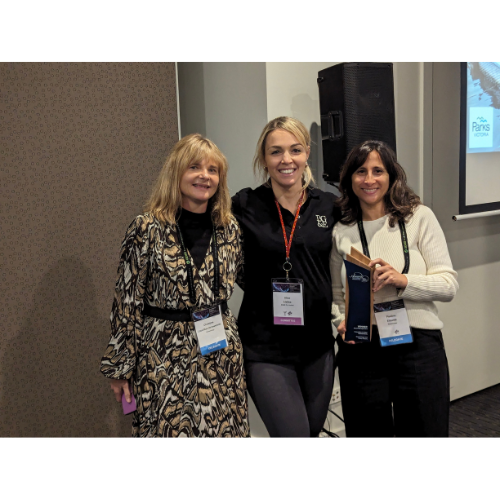
Flood management capacity building training program
Rain Consulting and Melbourne Water
Project Overview: To deliver on actions of the Flood Management Strategy, this project aimed to design and deliver a targeted training program to build capacity of Council staff across Melbourne Water's management region. The purpose of the sessions were to ensure councils and stakeholders feel more informed on technical flood information to help Melbourne Water and Councils to work together to address and respond to the flood challenges across the region. The key outcomes of the program were:
- Participants feel they have improved their level of knowledge and increased their confident level to use new approaches or practices in your work
- Participants can apply learnings from the program in a practical way
- Participants are equipped with best practice concepts and tools to apply.
Five sessions in the format of a 1 hour presentation with a tutorial or guest speaker session afterwards were designed and presented. Four of the presentations were given live with 278 attendees across the sessions. All sessions, including the fifth recorded session, were made available online as recordings to all councils. Guest speakers were Melbourne Water or Council staff members with expertise in their fields.
Very positive feedback from attendees were recorded for all sessions.
"This is a well-designed and executed capacity building project that met industry knowledge needs through its customised format, implementing a key priority for Melbourne Water's Flood Strategy. The online availability of these knowledge sharing products for future use is a great outcome, and the phase 2 rollout in 2024 is a strong demonstration of project success and value."
Excellence in Strategic or Master Planning - Winner
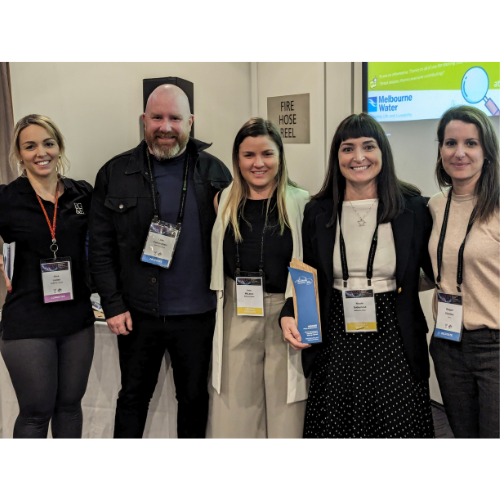
Kingston's Integrated Water Strategy - Planning for Climate & Future Growth
Kingston City Council
Project Overview: Drawing on 20 years of successfully implementing integrated water management (IWM)initiatives, the City of Kingston’s latest Strategy has created a shared vision to address future challenges, including forecast climate change and increasing residential development.
- Using less drinking water and increasing the use of alternatives, such as rainwater tanks, stormwater and recycled water;
- Protecting waterways and Bay from all forms of pollution;
- Improving flood management;and
- Enhancing education and partnerships with our community.
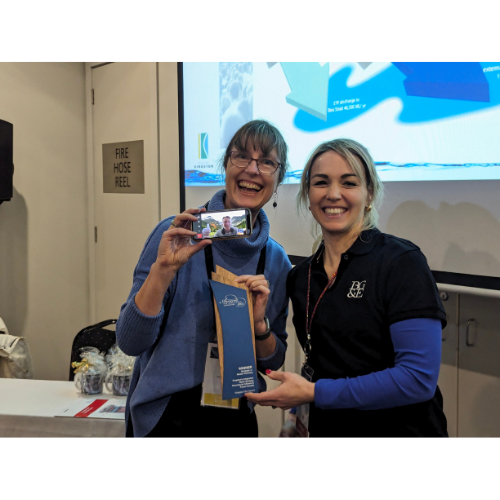
Excellence in Strategic or Master Planning - Highly Commended
Sub-catchment-scale Integrated Water Management Plan for Merri-bek
Merri-bek City Council and Melbourne Water
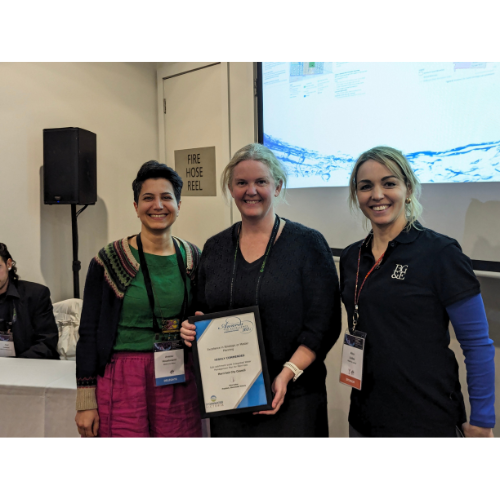
Excellence in Integrated Stormwater Design - Winner
Murrk Ngubtj Yarram Yaluk (formerly Bellarine Basin) Transformation
Spiire and Barwon Water
Project Overview: Spiire designed the realignment and rehabilitation of Yarram Creek at the former site of the Bellarine Basin, now known as Murrk Ngubitj Yarram Yaluk.
The creek was connected back to its original course as the first phase of a wider Barwon Water initiative to transform the former Basin site into more than 30 hectares of environmental and public open space.
Spiire’s design was driven by the challenge of restoring natural habitat and enhancing biodiversity values into the future. One of the site’s new features is an ephemeral lake, which provides a habitat for native species such as the black swan and restores downstream flow into Yarram Creek.
Its design was informed by an ecological assessment and water balance modelling to ensure it delivers optimal water health and habitat.
"This nomination highlights how projects can be designed to suit a purpose and budget. Allowing the system to "find its own" natural state, using what is on site already is exemplary and something we should all consider."
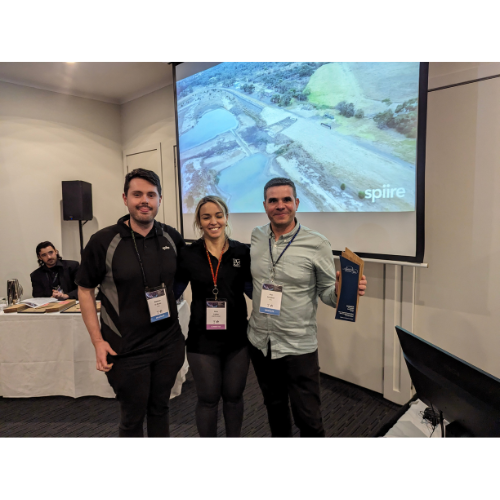
Excellence in Research and Innovation - Winner
MUSICX automation and optimisation to test harvesting targets across Melbourne
ARUP and Department of Energy, Environment and Climate Action
Project Overview: As Victoria’s population grows, so does the number of dwellings, roads and supporting commercial development required. Over time, the urban footprint of Melbourne has been expanding to accommodate this growing population. This has resulted in an increase in imperviousness and stormwater runoff that ultimately degrades our waterways and waterbodies. To tackle this challenge, Arup worked with DEECA and Frontier Economics to identity effective treatment train interventions across different development scenarios and rainfall bands within Metropolitan Melbourne. The original brief and proposal accounted for 10 development scenarios to be tested using MUSICX, however Arup found this would not adequately cover the range of possibilities - with variations in development types (residential, industrial, commercial, extensions, infill etc at various scales), and in different locations with different rainfall, waterway conditions and stormwater management possibilities. Recognising the limitations and 'blind spots' this created in identifying effective interventions, the Arup digital team developed a method to take an automation and optimisation approach using Artificial Intelligence (A.I). This method enabled Arup to execute and evaluate 24,500 MUSIC X model runs and resulted in a robust database for determining the best optimal WSUD combination for a variety of scenarios.
"There is a lack of knowledge in industry on if and how various types of development can achieve the proposed flow reduction targets recently published by EPA. This work applies robust methodology to fill this gap and provides valuable insights to inform policy making within Greater Melbourne."
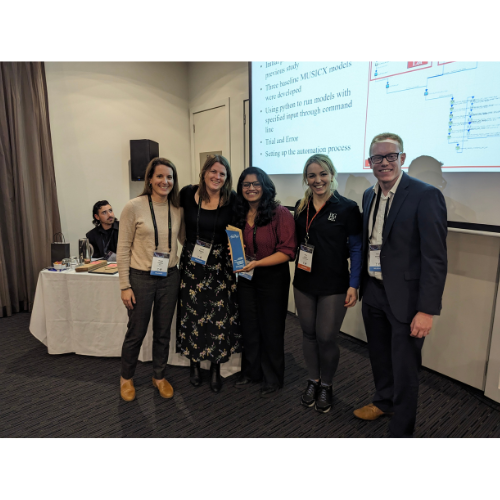
Excellence in Research and Innovation - Highly Commended
JohnConnorOnline: Online WSUD Modelling, Reporting & Compliance Tool
Cleanstormwater
2022 Stormwater Victoria Award Winners
Congratulations to the winners of the 2022 Awards for Excellence
The Awards Ceremony took place at Novotel Geelong on Tuesday, 7th June 2022 with over 100 people in attendance to watch us share the stage with AWA and recognise so many amazing water projects from across the industry this year. See below full list of winners:
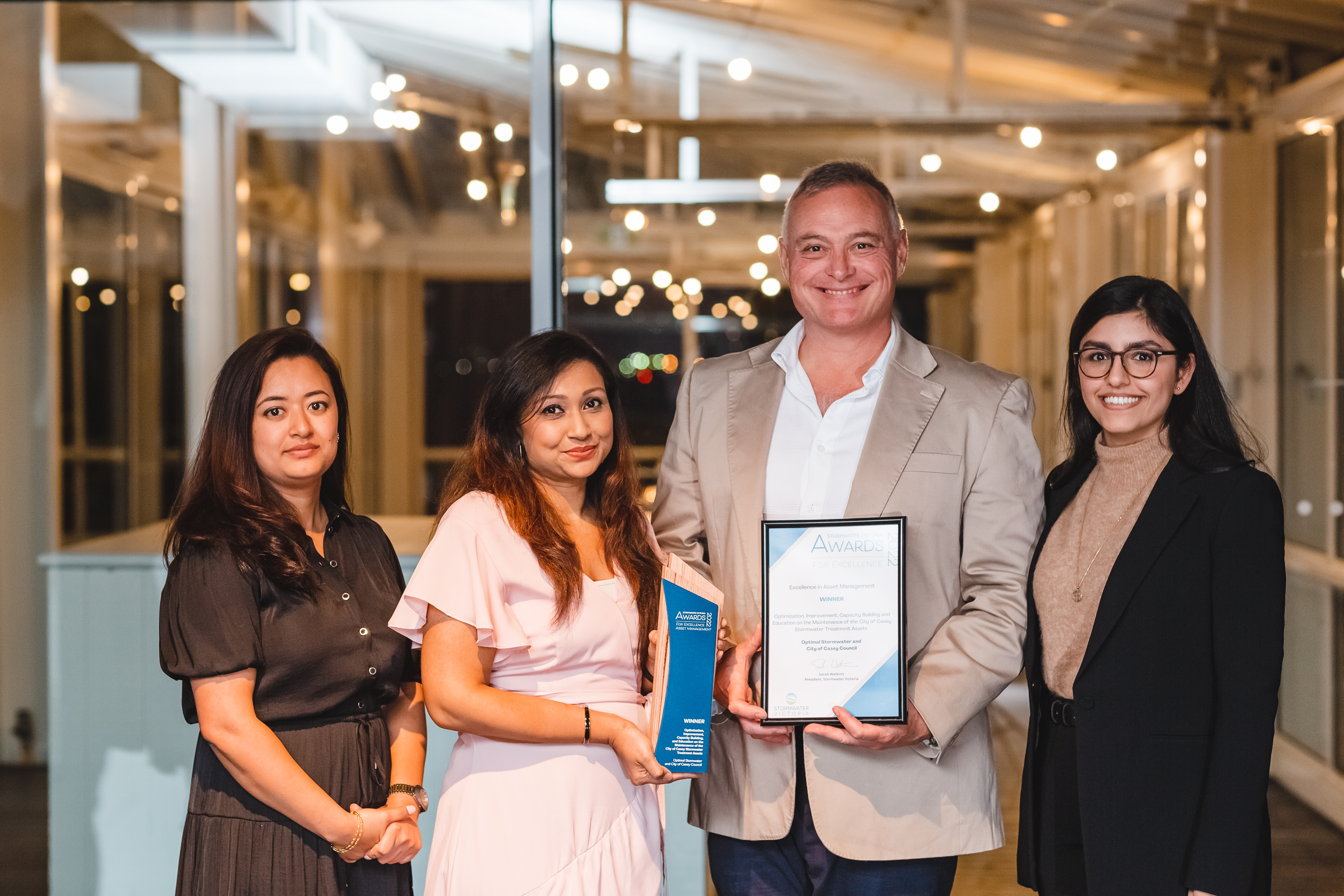
Excellence in Asset Management - Winner
Optimization, Improvement, Capacity Building and Education on the Maintenance of the City of Casey Stormwater Treatment Assets
Optimal Stormwater and City of Casey Council
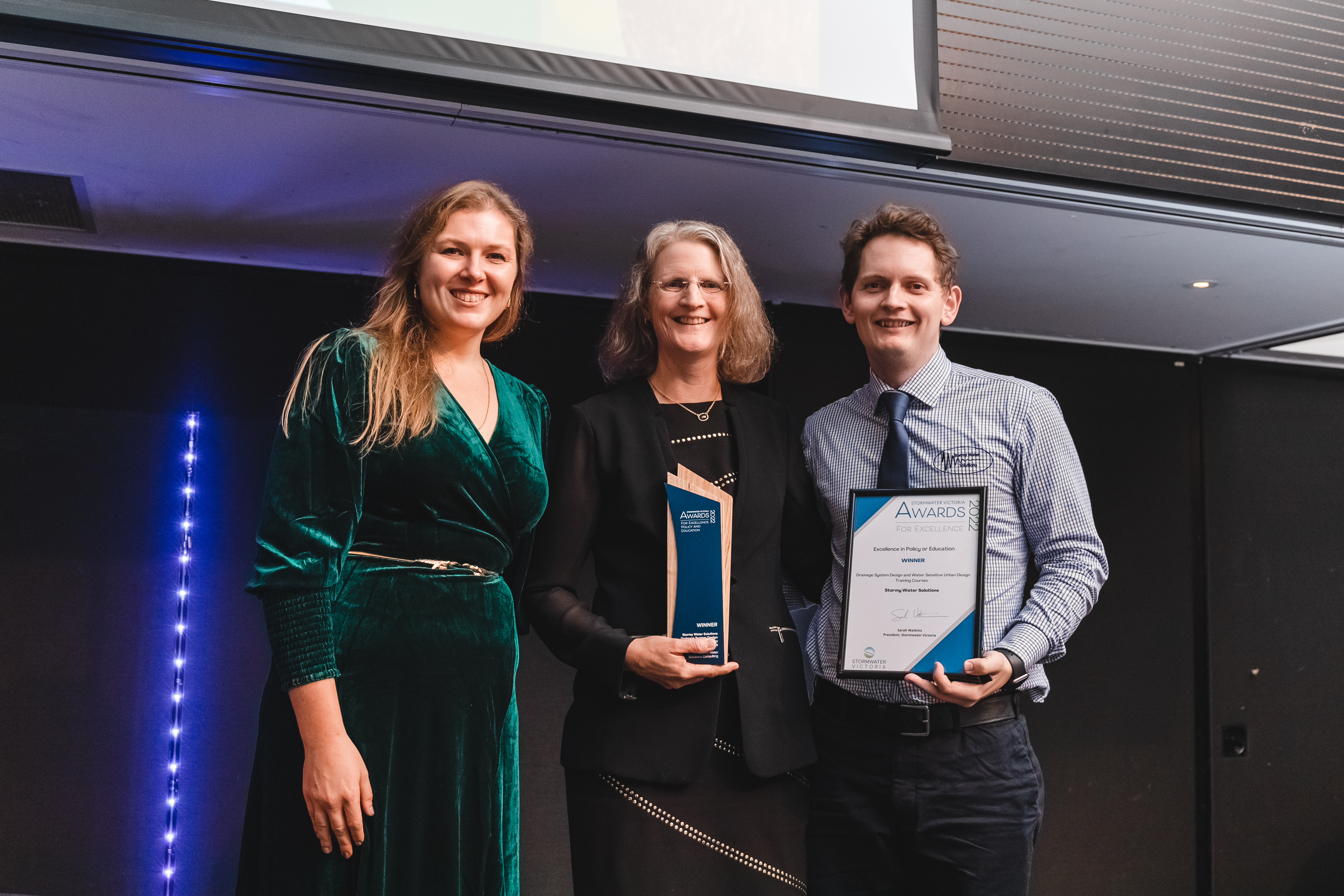
Excellence in Policy or Education - Winner
Drainage System Design and Water Sensitive Urban Design Training Courses
Stormy Water Solutions
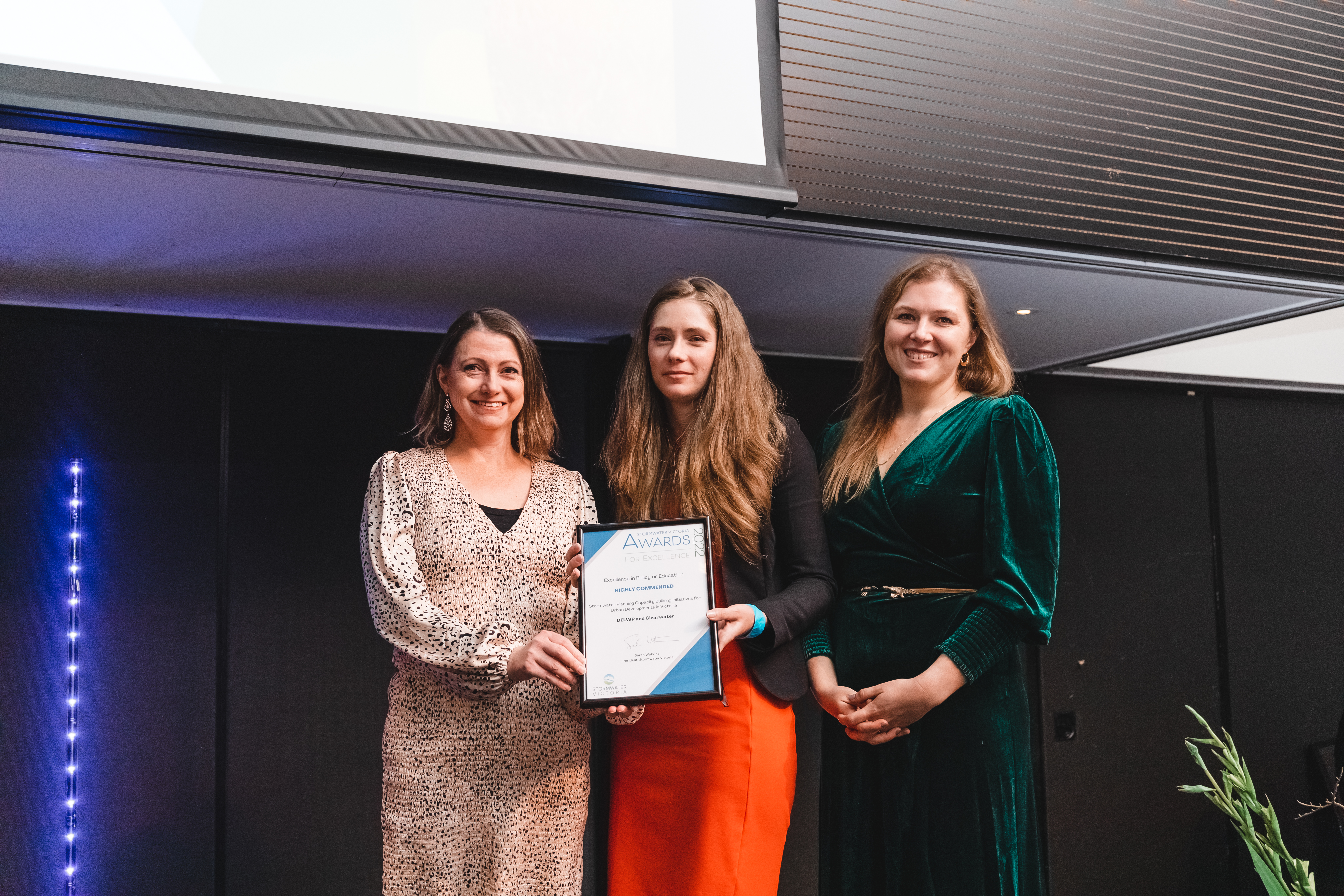
Excellence in Policy or Education - Higly Commended
Stormwater Planning Capacity Building Initiatives for Urban Developments in Victoria
DELWP and Clearwater
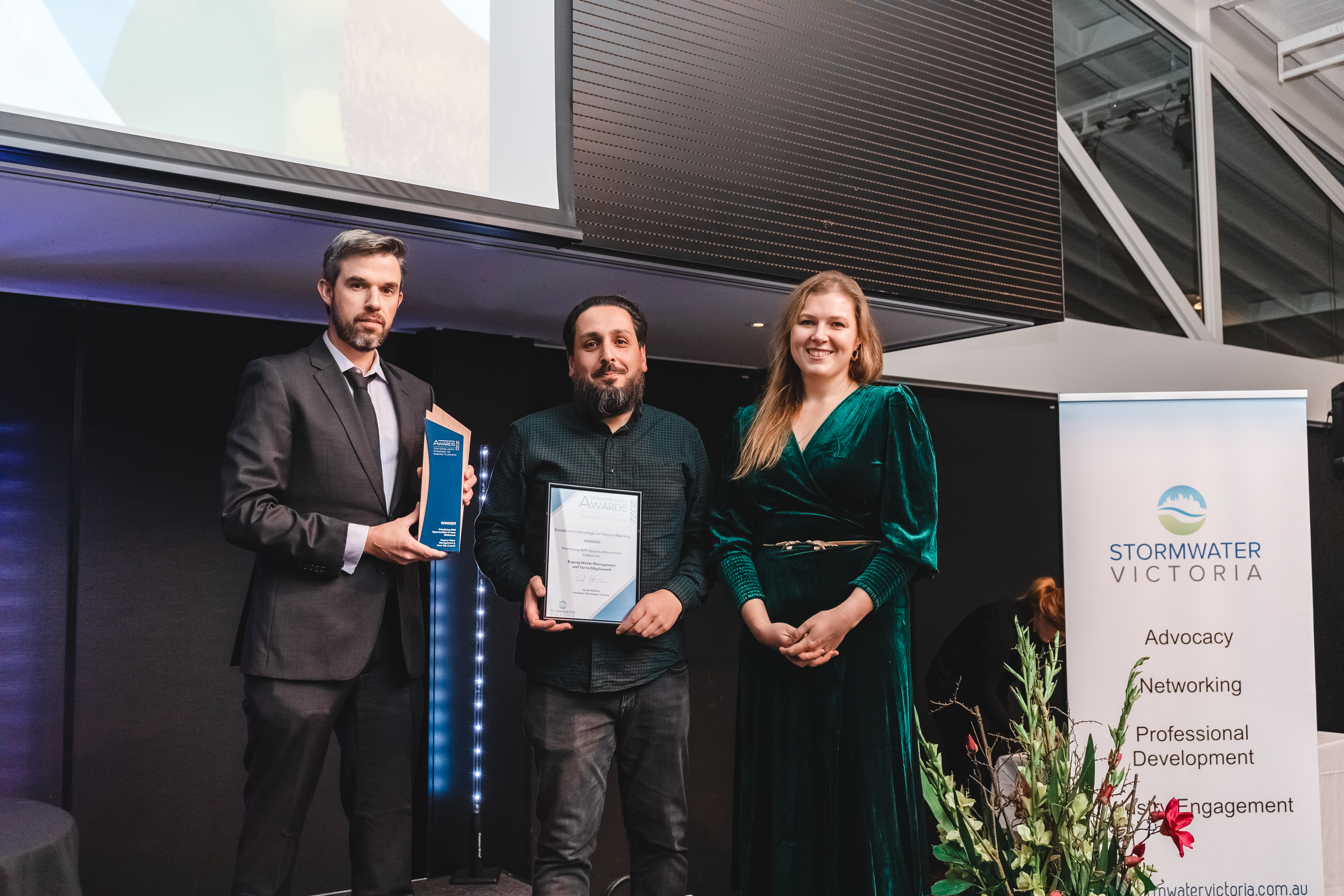
Excellence in Strategic or Master Planning - Winner
Prioritising IWM Opportunities in Inner Melbourne
Engeny Water Management and Yarra City Council
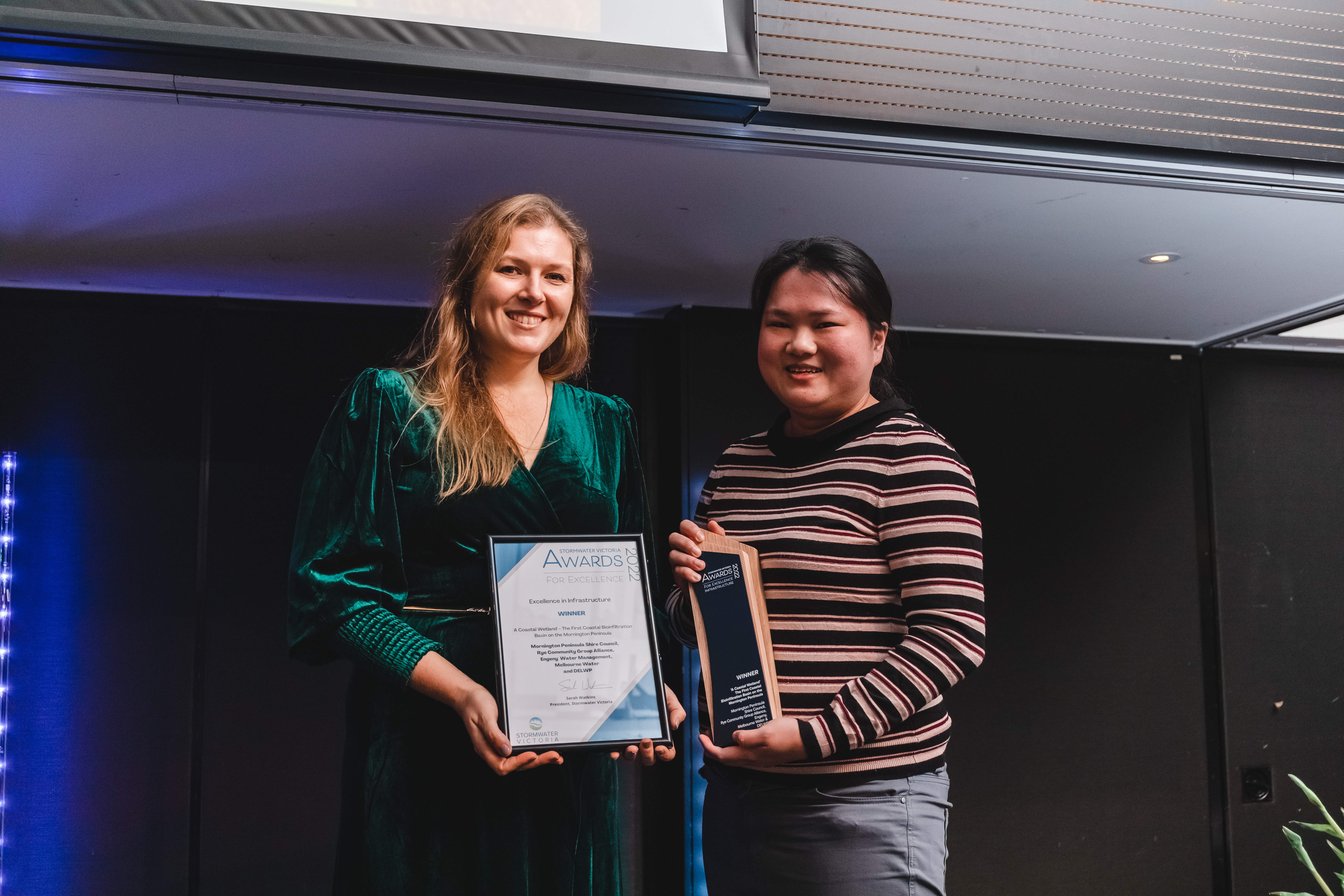
Excellence in Infrastructire - Winner
'A Coastal Wetland' - The First Coastal Bioinfiltration Basin on the Mornington Peninsula
Mornington Peninsula Shire Council, Rye Community Group Alliance, Engeny Water Management, Melbourne Water and DELWP
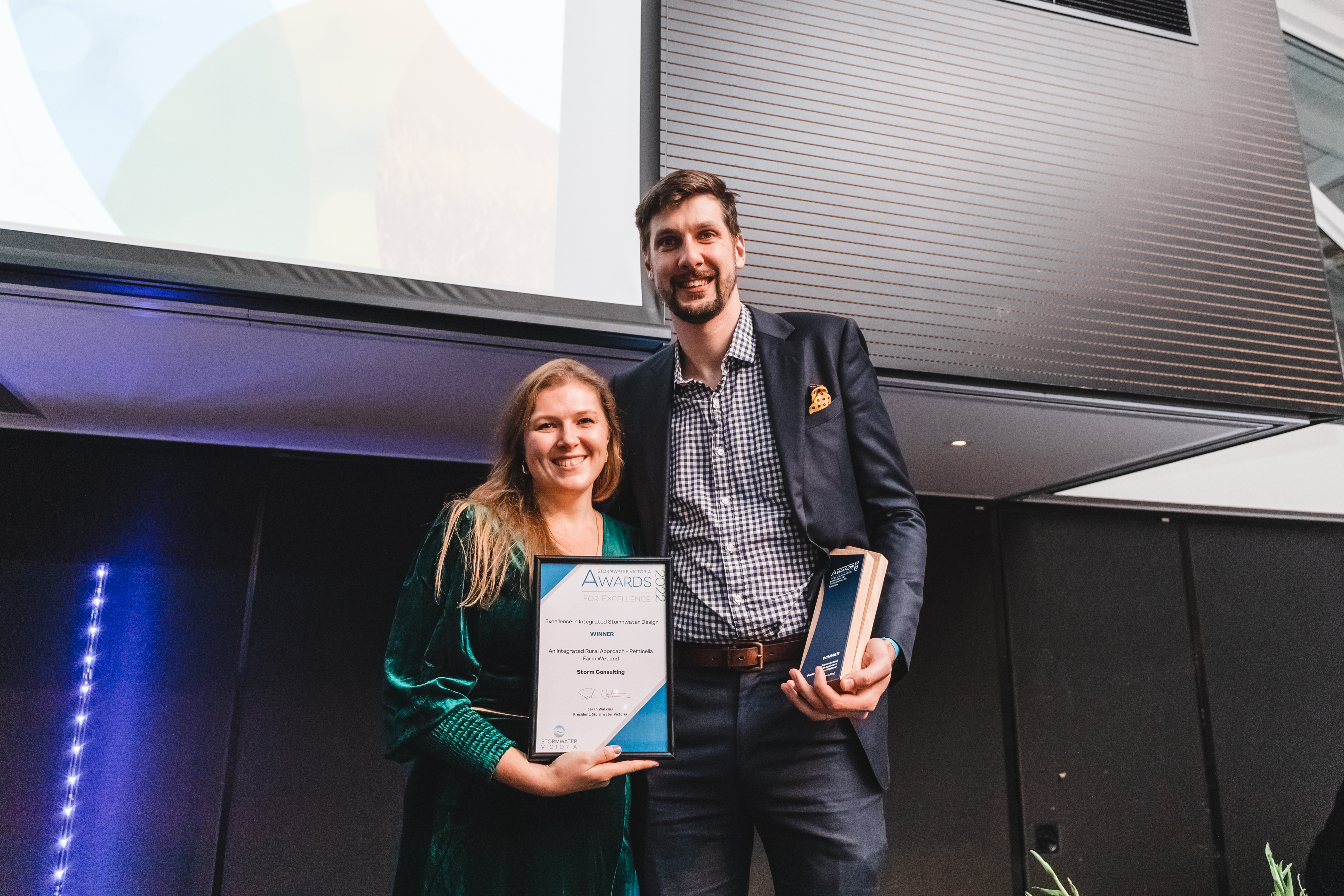
Excellence in Integrated Stormwater Design - Winner
An Integrated Rural Approach - Pettinella Farm Wetland
Storm Consulting
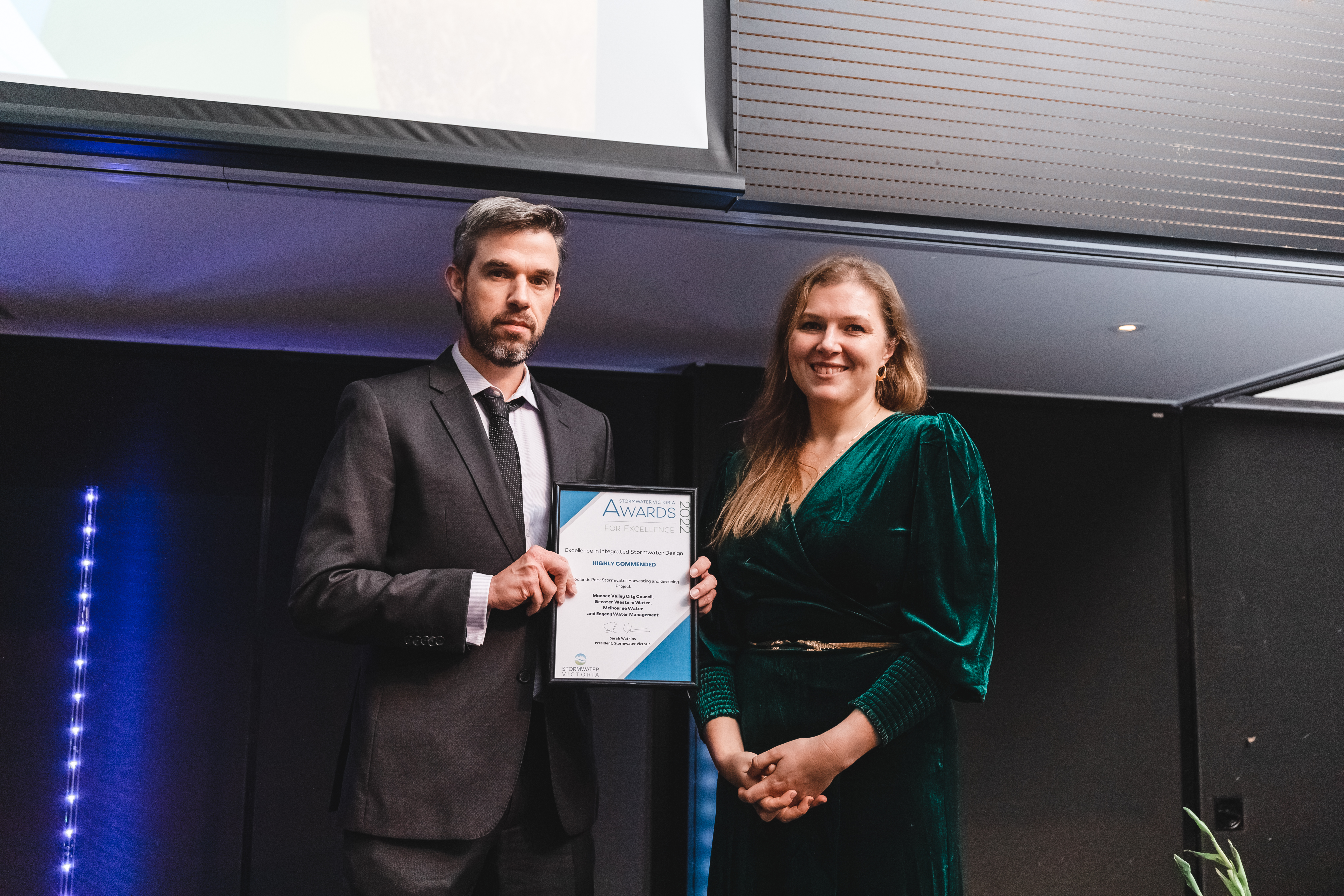
Excellence in Integrated Stormwater Design - Highly Commended
Woodlands Park Stormwater Harvesting and Greening Project
Moonee Valley City Council, Greater Western Water, Melbourne Water and Engeny Water Management
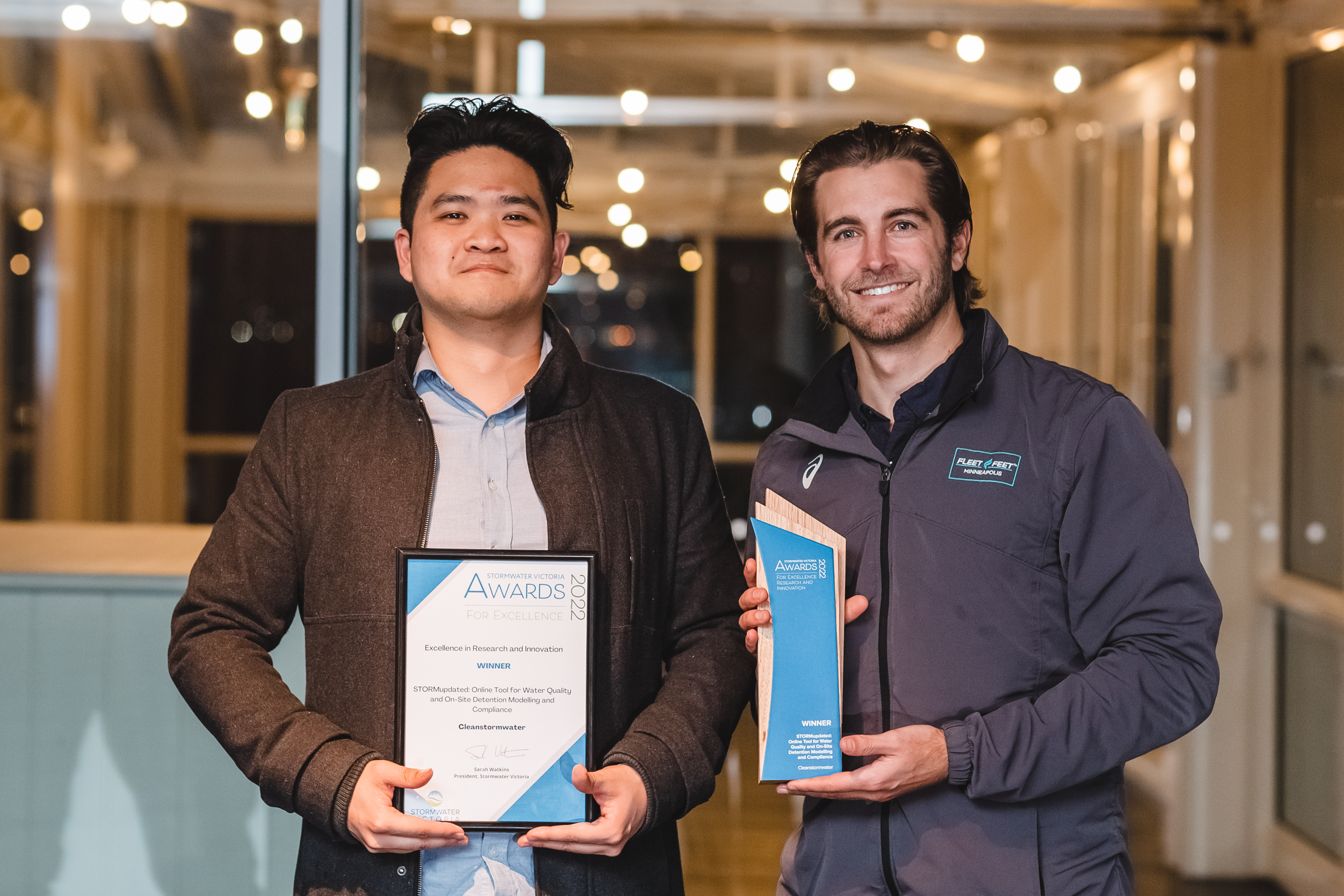
Excellence in Research and Innovation - Winner
STORMupdated: Online Tool for Water Quality and On-Site Detention Modelling and Compliance
Cleanstormwater
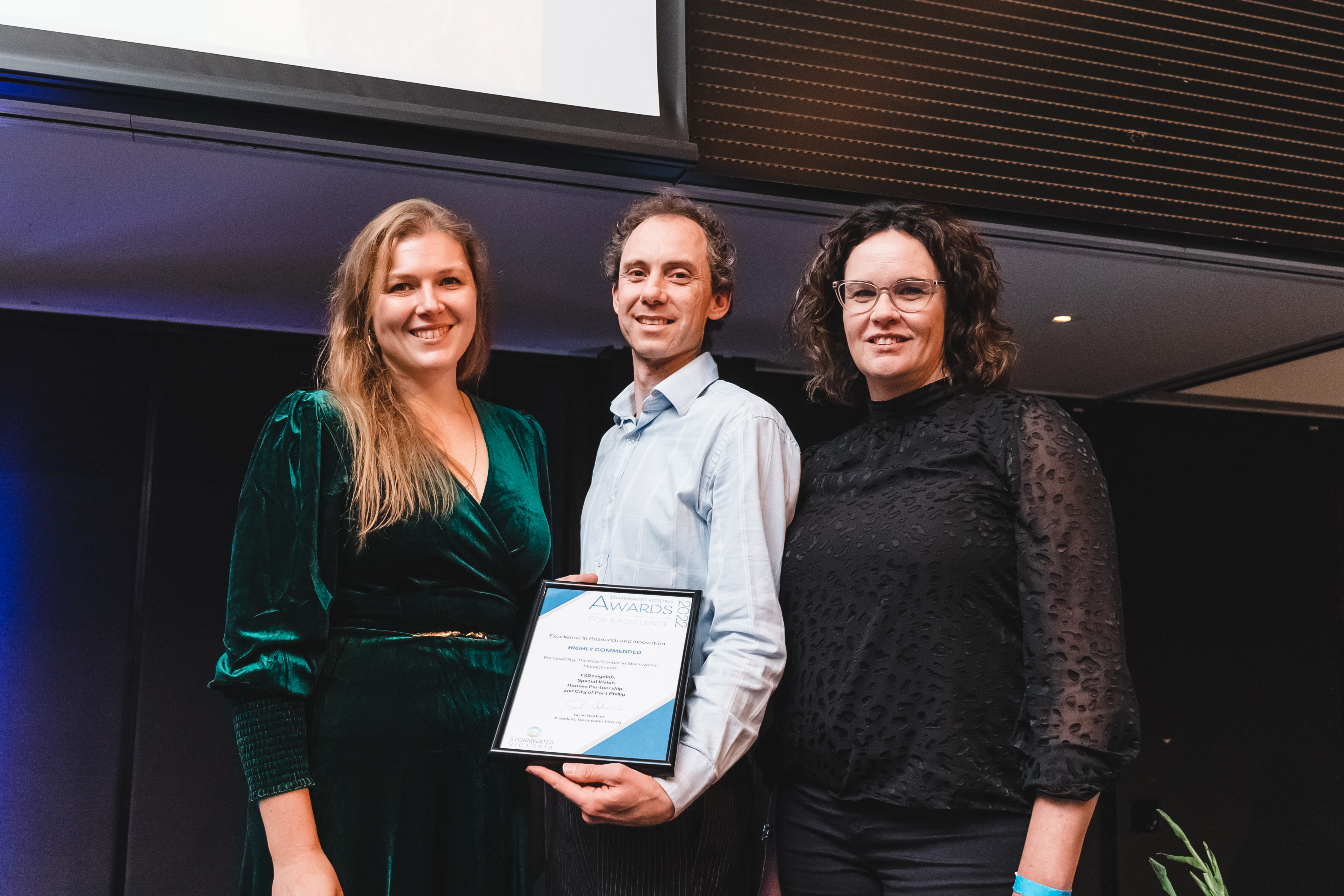
Excellence in Research and Innovation - Highly Commended
Permeability, The New Frontier in Stormwater Management
E2Designlab, Spatial Vision, Hansen Partnership and City of Port Phillip
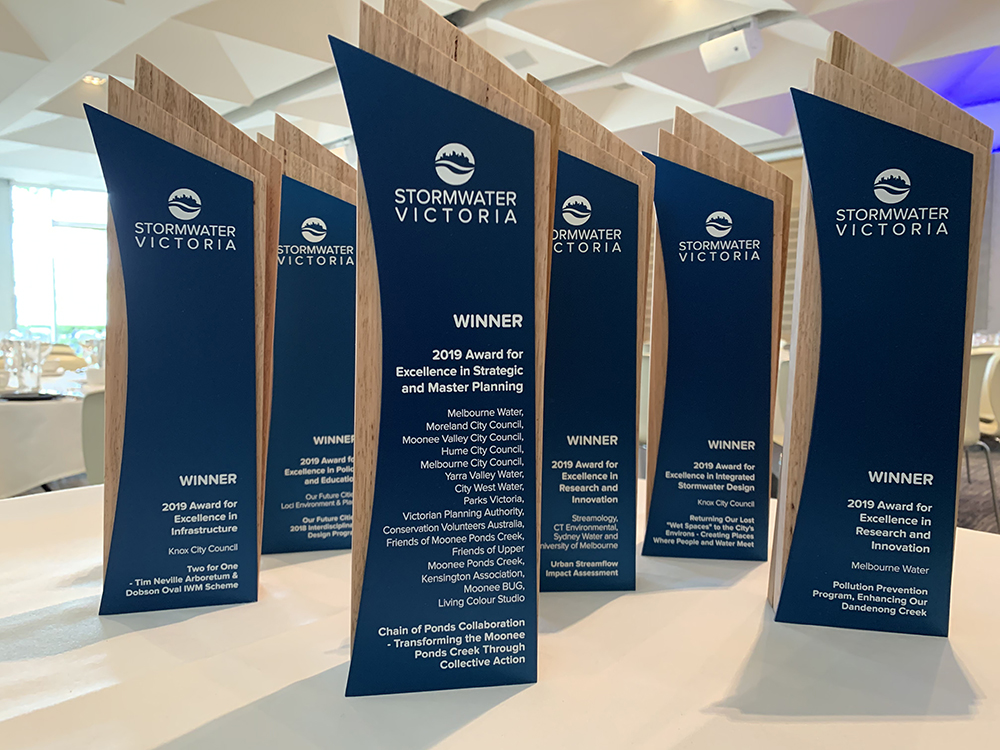
2019 Stormwater Victoria Award Winners
Stormwater Victoria would like to congradulate the winners of the 2019 Stormwater Victoria Awards for Excellence.
The Awards Ceremony took place at ZINC Federation Square on Thursday, 5th December 2019 with over 350 people in attendance to watch us share the stage with AWA and recognise so many amazing water projects from across the industry this year. See below full list of winners:
Excellence in Infrastructure
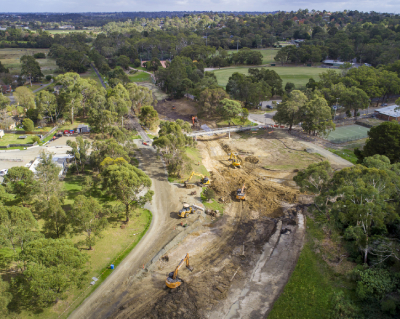
Highly Commended - Daylighting Dandenong Creek, Melbourne Water
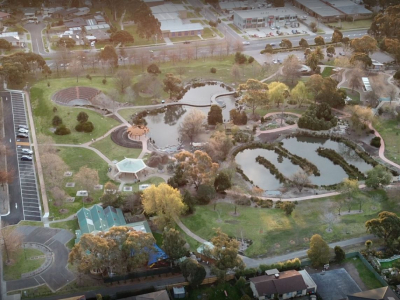
Winner - Two for One - Tim Neville Arboretum & Dobson Oval IWM Scheme, Knox City Council
Excellence in Integrated Stormwater Design
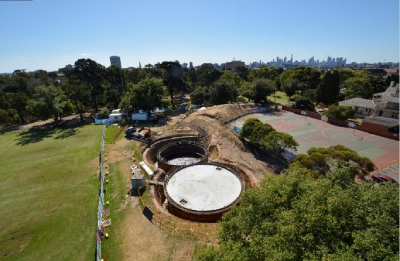
Highly Commended - Alma Park Stormwater Harvesting System, City of Port Phillip, E2 DesignLab, Simpson Construction, Melbourne Water
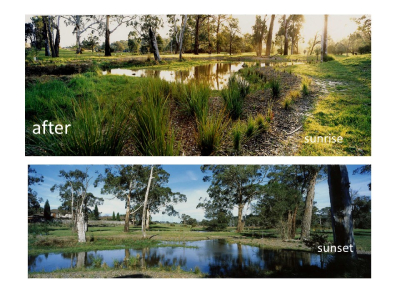
Winner - Returning Our Lost "Wet Spaces" to the City's Environs - Creating Places Where People and Water Meet, Knox City Council
Excellence in Policy and Education
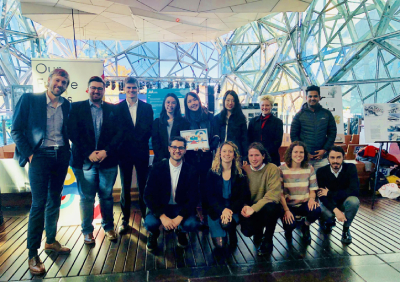
Winner - Our Future Cities: 2018 Interdisciplinary Design program, Our Future Cities, Loci Environment & Place
Excellence in Research and Innovation
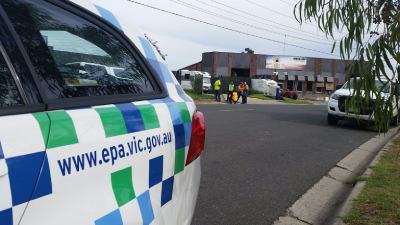
Winner - Pollution Prevention Program, Enhancing Our Dandenong Creek, Melbourne Water
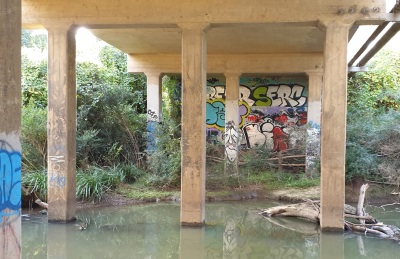
Winner - Urban Streamflow Impact Assessment (USIA), Streamology Pty Ltd, CT Environmental, Sydney Water, University of Melbourne
Excellence in Strategic and Master Planning
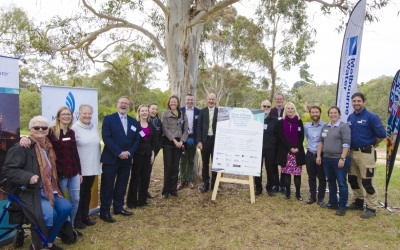
Winner - Chain of Ponds Collaboration - Transforming the Moonee Ponds Creek Through Collective Action, Melbourne Water, Moreland City Council, Moonee Valley City Council, Hume City Council, Melbourne City Council, Yarra Valley Water, City West Water, Parks Victoria, Victorian Planning Authority, Conservation Volunteers Australia, Friends of Moonee Ponds Creek, Friends of Upper Moonee Ponds Creek, Kensington Association, Moonee BUG, Living Colour Studio
If you have any questions regarding the Awards for Excellence, Media Releases or would like to obtain photos from the luncheon, please email Stormwater Victoria at officestormwatervictoria.com.au.
Introduction to WSUD principles & technologies
This one day training course will introduce you to the concepts of Water Sensitive Urban Design (WSUD) and water sensitive cities, focusing on the WSUD approach to stormwater management.
The session will cover the principles of stormwater management, focusing on how to set targets to allow for water conservation as well as flow and water quality management. It will emphasise basic principles of water quality treatment and flow management to guide selection and design of treatment systems. Design considerations, treatment performance, operation and maintenance will also be discussed.
The course will include an integrated practical exercise running throughout the day, covering aspects from target setting through to the conceptual design of a stormwater treatment train.
In addition to classroom-based learning, participants will visit some of the latest research and demonstration facilities at Burnley campus, including the newly inaugurated Burnley demonstration green roof.